
Is it true that the right purifiers can stop damp closet smells without draining your budget? If you’re tackling mustiness, you’ll want compact, energy-efficient options with true HEPA filtration and moisture control that’s measurable. Think auto shut-off, visible reservoirs, and quiet operation. Some models even include activated carbon for odor, or plug-in stability for easy use. Curious how these seven picks stack up for 2026 and which fit your closet best? Let’s compare features, costs, and maintenance side by side.
Key Points
- Use compact, low-noise purifiers with True HEPA filtration and odor-absorbing media to tackle damp closet smells effectively in 2026.
- Target 50–60% relative humidity and place units inside closets with auto shut-off for safe, continuous operation.
- Prefer units under 8 inches in any dimension and 0.5–1.0 L/day capacity for spaces around 200–280 sq ft.
- Combine HEPA filtration with activated carbon or desiccants for odors, plus UV-C/ion options only if paired with filtration.
- Check warranties (1–2 years) and certifications (ETL/CARB), and monitor maintenance every 10–12 months for bulbs or filters.
Tenergy Sorbi 1000ml Dehumidifier with HEPA Purifier
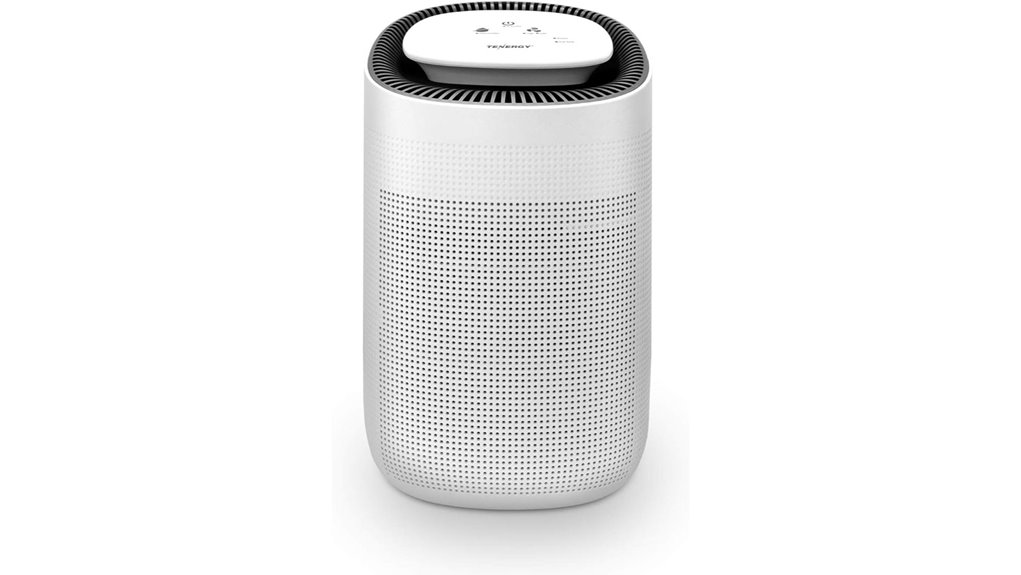
If you’re tackling damp closet smells, the Tenergy Sorbi 1000ml Dehumidifier with HEPA Purifier stands out for small spaces thanks to its true HEPA filtration paired with a compact, Peltier-based unit. You’ll get 0.75 liters per day of moisture removal at 80% humidity, with a 1-liter tank and a 45-watt draw for quiet, 35-42 dB operation. It’s ideal for closets, bathrooms, or spaces up to 200 sq ft, combining dehumidification with air purification. Features include auto shutoff, LED indicators, a water level sensor, and a warranty; use Tenergy Sorbi filters for best results.
Best For: Those needing a compact, quiet dehumidifier with true HEPA filtration for small spaces like closets, bathrooms, or offices up to 200 sq ft.
Pros:
- True HEPA filtration captures 99.97% of particulates, improving air quality.
- Compact, portable design with low 45-watt draw and ultra-quiet operation (35–42 dB).
- 1-liter water tank and auto-shutoff with LED indicators for easy maintenance.
Cons:
- Dehumidification rate around 0.75 L/day at 80% humidity (modest performance for damp spaces).
- Small capacity may require more frequent emptying in consistently humid areas.
- Limited to spaces up to ~200 sq ft; larger rooms may not dehumidify efficiently.
Vacplus Moisture Absorbers 10 Pack Desiccant Bags

Pros:
- Fragrance-free design suitable for sensitive environments
- Visible moisture reservoir shows active dehumidification and progress
- Hang-ready, compact 9.8-ounce packs for easy installation in small spaces
Cons:
- May require patience as the dehumidification process varies by environment
- 0.5 liters per day is an estimate and may be less in ultra-dry spaces
- Limited to calcium chloride-based packs and hanging configurations (less suitable for non-closet spaces)
Air Ionizers (4 Pack) Plug-In Air Purifiers
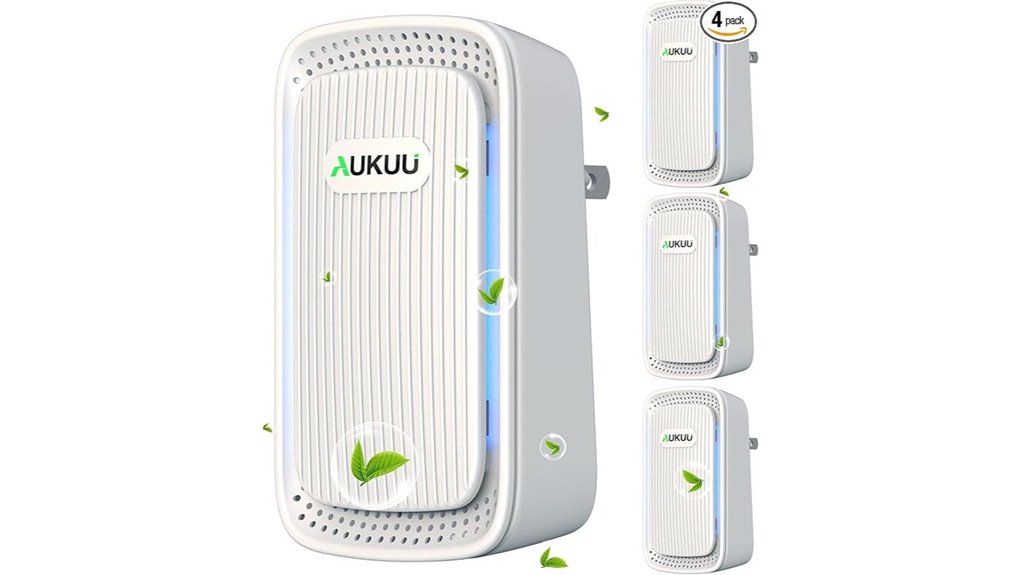
The Air Ionizers (4 Pack) Plug-In Air Purifiers are ideal if you want a compact, filterless solution that quietly cleans multiple rooms without ongoing costs. These portable mini purifiers fit your wall plug design and measure about 2.4 inches wide by 4 inches long, blending into any space. They use anion technology to purify air without filters or chemicals, targeting odors, smoke, and dust. Ideal for whole-home or office use, they’re quiet and discreet, with a stylish, simple design. No replacements needed, environmentally friendly, and easy to move between rooms for fresh, odor-free air.
Best For: Home and office users seeking a compact, filterless, plug-in air purification solution that quietly freshens multiple rooms.
Pros:
- Compact, wall-plug design fits small spaces
- Filterless operation with no replacements or ongoing costs
- Quiet, near-silent purification suitable for bedrooms and workspaces
Cons:
- Should use in well-ventilated areas to maximize effectiveness
- Not suitable as a sole purifier for very large or heavily polluted spaces
- Limited odor control compared to filter-based purifiers
GermGuardian GG1000 Small UVC Air Purifier
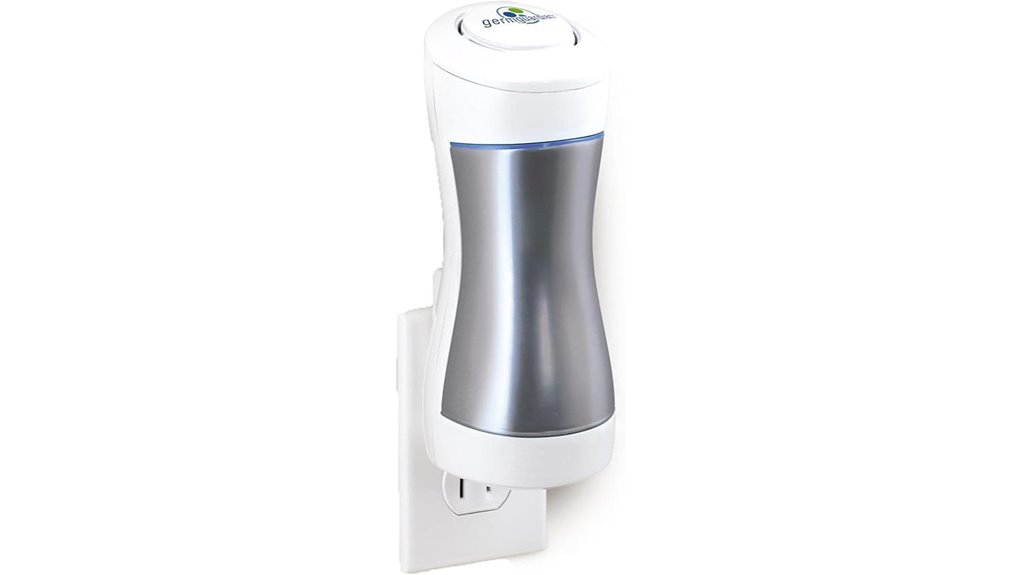
Compact and plug-and-play, the GermGuardian GG1000 is ideal if you need immediate odor control in tight spaces. This small air purifier plugs directly into any wall socket, with no assembly required, making it perfect for bathrooms, kitchens, litter box rooms, or kids’ spaces. It uses UV-C light with Titanium Dioxide to kill germs and reduce VOCs, cutting odors from pets, smoke, and cooking. The LB1000 bulb is the only part you’ll replace, about every 10–12 months. No filters to swap means simple upkeep while delivering cleaner, deodorized air in compact areas.
Best For: Those seeking a compact, plug-and-play solution for quick odor control and basic air sanitization in small spaces.
Pros:
- No assembly or filter replacements required; simple maintenance.
- Plugs directly into wall sockets for convenient use in tight areas.
- UV-C with Titanium Dioxide targets germs and reduces VOCs to help with odors.
Cons:
- Small footprint may limit effectiveness in larger rooms.
- UV-C bulb replacement needed about every 10–12 months; ongoing cost for bulb.
- No replaceable filter means limited ongoing filtration options for particulates.
Small Dehumidifier for Bedroom, Auto Shut-Off, 280 sq ft, White
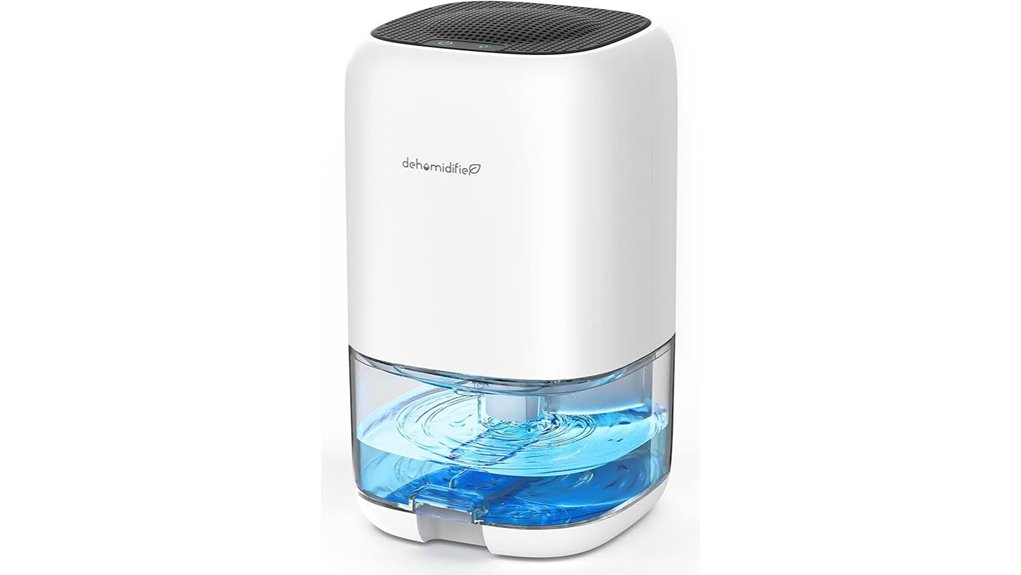
This small dehumidifier is ideal for anyone needing quiet, auto-shutoff relief from damp closets or bedrooms up to 280 square feet. Manufactured by TABYIK, the DH-CS01 is a compact white unit with a 1000 ml (35 oz) tank and 40-watt power draw. It runs continuously, features auto shut-off when the tank hits 700–800 ml, and displays a red indicator. At 28 dB, it stays unobtrusive while removing moisture at roughly 0.45 L/day. Weighing 2.19 pounds and measuring 5.9 in square by 10.1 in tall, it’s portable, easy to clean, and fits tight spaces.
Best For: This compact, quiet dehumidifier is ideal for bedrooms, small spaces like closets or RVs, and bathrooms up to 280 square feet where low-noise operation and auto shut-off are valued.
Pros:
- Very quiet at 28 dB, suitable for bedrooms and nurseries
- Auto shut-off with a clear indicator when the tank fills (700–800 ml)
- Portable and compact (5.9″ x 5.9″ x 10.1″, 2.19 lbs) with a transparent 1000 ml tank for easy monitoring
Cons:
- Dehumidification ~0.45 L/day may be modest for consistently very damp environments
- Continuous operation mode with limited 1-speed control
- Tank-only design requires periodic emptying and may be less convenient for continuously damp spaces without a drainage option
Germ Guardian GG1100W Plug-in Small Air Purifier
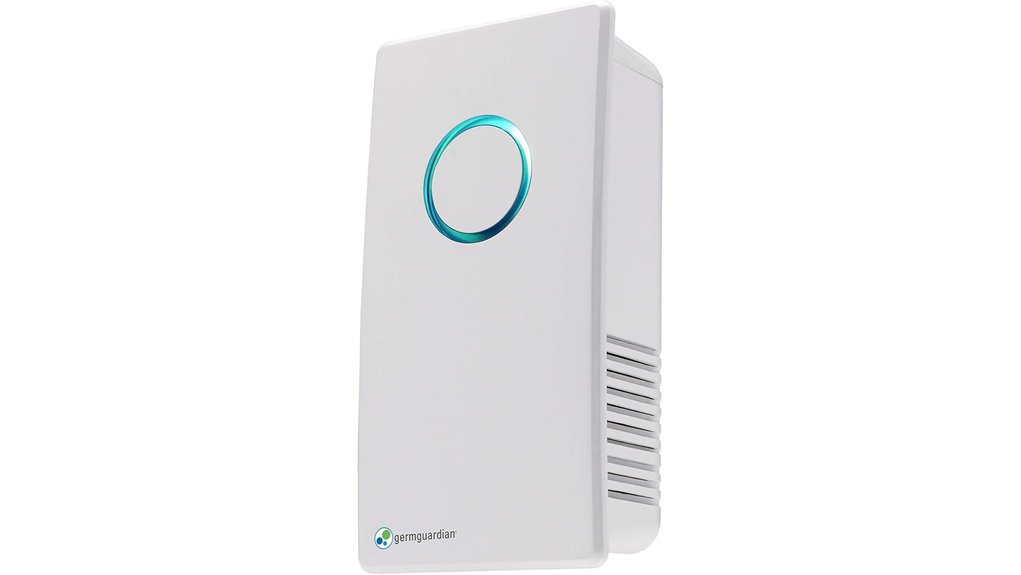
Looking for a discreet, plug-in solution to curb damp closet smells? The Germ Guardian GG1100W is a 7-inch, wall-pluggable air purifier that freshens air and reduces airborne germs and odors from pets, cooking, and bacteria. It uses UV-C light to kill viruses like influenza and staph, and works with Titanium Dioxide to lower VOCs. No filter replacements are required; just swap the UV-C bulb every 10–12 months. It’s ideal for kitchens, litter areas, bathrooms, or kids’ rooms. With a 1-year warranty, you get simple, maintenance-light odor control and cleaner closet air.
Best For: People seeking a discreet, plug-in air purifier to reduce odors and germs in small spaces like closets, bathrooms, kitchens, or kids’ rooms without ongoing filter maintenance.
Pros:
- Compact 7-inch, wall-pluggable design fits tight spaces.
- No filter replacements needed; only the UV-C bulb requires replacement every 10–12 months.
- Kills or reduces airborne germs and VOCs with UV-C light and Titanium Dioxide, improving overall air quality.
Cons:
- Small unit size may limit effectiveness in larger rooms.
- UV-C bulb replacement required annually, adding some maintenance cost.
- No true particulate filter means it primarily targets odors and microbe reduction rather than dust removal.
NATRUTH Lavender Scented Moisture Absorbers (6-Pack)
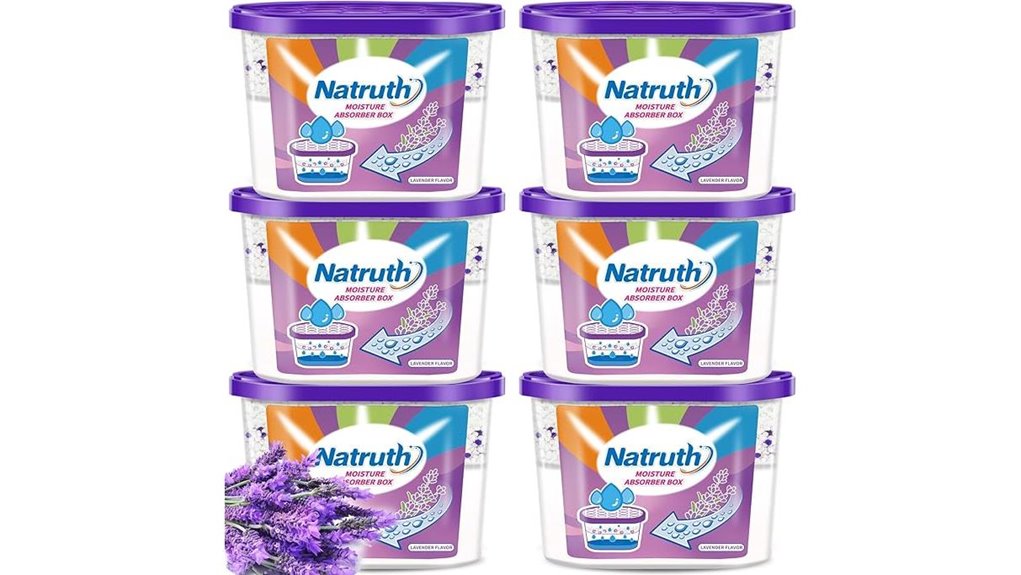
For closet spaces that need a hands-off, budget-friendly moisture solution, the NATRUTH Lavender Scented Moisture Absorbers (6-Pack) stand out with their 12.5 oz units using calcium chloride to actively pull humidity from the air without electricity. Each unit absorbs moisture, forming a bottom reservoir as water accumulates, proving effectiveness over days. With a lavender scent and a one-way paper barrier, leakage is unlikely, and the design remains safe and green. They’re portable, provide large capacity, and require no ongoing power. Use them in closets or other damp areas; disposal is simple after use. Customer support is available if needed.
Best For: Closet spaces and small to medium damp areas where a portable, electricity-free moisture solution is desired, especially for budget-conscious users seeking a lavender-scented option.
Pros:
- No electricity required; energy-saving and easy to use
- Large 12.5 oz units with visible bottom water reservoir showing effectiveness
- Lavender scent plus one-way barrier design offering safer, leak-resistant operation
Cons:
- Requires periodic replacement as it dries out; ongoing replacements needed for long-term use
- Calcium chloride can be messy if the unit leaks or spills (though designed to minimize leakage)
- Bulkier for very tight spaces; best for closets, bathrooms, and similar areas rather than large rooms
Factors to Consider When Choosing Purifier for Damp Closet Smell
When you pick a purifier for a damp closet, consider humidity control basics, the space it’ll clean, and how filtration capabilities match mold or musty odors. Check the unit’s suitability for your closet size, its noise level, and how power use translates to efficiency. Look for straightforward controls and clear indicators to manage humidity, filtration, and runtime without extra fluff.
Humidity Control Basics
Controlling humidity in a damp closet hinges on selecting a purifier that can reliably lower moisture levels without over-drying the space. You want to target relative humidity under 50–60% rather than staying in the 60–70% mold-prone zone. Look for a purifier with clear dehumidification specs, usually given in liters per day at a defined condition, so you can estimate how quickly moisture drops. Place a compact dehumidifier or moisture absorber inside the closet—with a visible reservoir or indicator for replacement or recharge. Favor auto shut-off and continuous operation to keep humidity steady without overshoot, and choose quiet models around 30–40 dB for discreet use. Note desiccants offer slower, long-lasting absorption, while some Peltier units are power-dependent but compact.
Space Suitability Guide
Wondering which purifier fits a tight closet without sacrificing odor control or moisture removal? For damp closets, choose compact units that fit narrow spaces yet still remove moisture and odors, ideally under 8 inches in any dimension. Target a capacity around 0.5–1.0 liters per day to maintain low humidity without over-drying spaces up to about 200–280 square feet. Look for plug-in operation with auto shut-off to prevent overuse in enclosed areas. Favor models with water tank indicators or visible reservoirs so you can monitor moisture uptake without constant checks. Prioritize quiet operation, around 25–40 dB, to minimize disruptions in bedrooms or closets while tackling musty smells. This combination keeps moisture under control without sacrificing fragrance or convenience.
Filtration Capabilities
Choosing the right filtration matters for damp closet smells because it directly affects how well you remove both moisture and odors. True HEPA filtration captures up to 99.97% of particulates, cutting dust, pollen, and fine particles that feed lingering odors. If you skip a filter, units relying on UV-C or ionization alone may not remove particulates as effectively, limiting overall improvement. For odor-specific reduction, look for activated carbon or odor-absorbing media that adsorb volatile compounds alongside moisture control. Regular maintenance is essential: replace HEPA components or UV-C bulbs every 10–12 months to preserve performance. In small closets (up to ~200 sq ft), choose compact purifiers with integrated filtration that target moisture and air quality to minimize musty smells.
Noise Levels Consideration
Ever wondered how quiet a purifier needs to be in a damp closet? You’ll want measurements in decibels (dB), with quieter units around 20–40 dB—roughly a whisper to a quiet library. For a damp closet, seek ultra-quiet models or daytime noise near 30–40 dB to minimize disturbance. Low-noise operation often comes from Peltier or thermoelectric cooling in compact units, which generally beat compressor-based designs. If exact dB ratings aren’t listed, check customer reviews or product specs for reported noise in small spaces. Also, run the unit on its lowest setting or during unoccupied periods to maintain a calmer environment while addressing dampness. Precise noise data helps you balance effectiveness with everyday comfort.
Power And Efficiency
Power and efficiency matter because a damp closet can demand sustained operation without skyrocketing energy bills. When choosing a purifier, check daily moisture removal rates (aim for about 0.5–0.75 L/day for small closets) to ensure steady dampness reduction without overloading the unit. Look at energy consumption in watts to gauge ongoing costs; lower wattage with adequate capacity is preferable for continuous use. Consider tank size or absorption capacity (1 L tank or 500 mL packs) to minimize frequent emptying or replacement. Note noise levels (dB) if the closet sits near living spaces; quieter models around 30–40 dB help keep environments undisturbed. Also evaluate continuous operation versus auto-shutoff features to match your humidity fluctuations and maintain consistent dryness.
Maintenance Schedule
Regular maintenance keeps damp-closet purifiers effective and prevents odors from returning. To keep performance steady, follow the unit’s recommended interval for filters or desiccant, usually every 6–12 months for UV/HEPA devices, or when moisture indicators signal saturation. Empty water tanks or reservoirs promptly and on a fixed schedule—daily or every few days—to stop mold growth and odor buildup. Inspect and clean drainage or condensation channels monthly to prevent clogs that reduce dehumidification. Replace UV-C bulbs or purification elements per the manufacturer’s timeline (often 6–12 months) to preserve germicidal effectiveness. Finally, record maintenanceActivities—dates of changes, tank empties, and bulb replacements—to establish a repeatable schedule aligned with closet humidity levels.
Placement And Setup
Choose a placement that targets the dampest area of the closet, keeping the purifier or desiccant pouch away from direct sunlight and heat sources to maximize moisture absorption and odor reduction. Place purifiers or desiccants on mid-level shelves or closer to hanging items to improve airflow and prevent blocked vents. For electrical purifiers, keep the unit within easy reach so you can perform routine maintenance and filter or bulb replacement every 10–12 months, depending on usage. If you’re using desiccant packs, set them where they can visibly collect moisture without being crushed or obstructed by clothing or stored items. Regularly monitor humidity and odor indicators, moving units or adding others as needed to maintain target closet conditions without over-drying contents.
Longevity And Warranty
Longevity and warranty are practical indicators of a purifier’s long-term value. Start by checking the warranty length and whether you can extend it—for example, a 1-year base with a 2-year optional extension protects your investment. Next, confirm what drives longevity: is it filter life or component replacement intervals, such as a UV-C bulb every 10–12 months versus routine filter changes? Plan maintenance around those timelines. Look for durability signals like ETL or CARB certifications and rugged housing that hint at years of reliable use. Consider the unit’s dehumidifier capacity and its ability to run continuously, as damp closet use demands consistent performance. Finally, verify access to authorized service and available replacement parts to ensure ongoing operability.
Common Questions
Do Purifiers Remove Damp Closet Mold Odors Effectively?
Yes, purifiers can remove damp closet mold odors, but effectiveness depends on the unit and setup. Choose a purifier with a true HEPA filter and an activated carbon or odor-absorbing stage. Run it continuously, especially during damp periods, and seal doors to prevent new moisture. Address the mold source as well—repair leaks, improve ventilation, and dry out the space. Regular maintenance ensures ongoing odor reduction and healthier air.
Which Purifier Features Best Suit Small Closet Spaces?
Yes—look for a purifier with compact dimensions, a small footprint, and adjustable airflow that fits your closet. Choose one with a quiet, low-noise setting, and a true HEPA filter plus activated carbon to tackle odors. Opt for easy access filters, a timer or auto mode, and an indicator for replacement. Ensure it’s energy-efficient and easy to clean. Adjustable run times let you refresh air without overworking it.
Are Dehumidifiers Enough Without Added Filters?
No, a dehumidifier alone isn’t enough if you’re battling odors. You’ll want a purifier or filter to capture mold spores, dust, and musty volatiles that a dehumidifier doesn’t treat. Choose a unit with a HEPA or at least a carbon filter, and make sure it’s sized for your closet. Run both devices together, and regularly clean or replace filters to keep the air fresh and the space dry.
How Often Should Moisture Absorbers Be Replaced?
Moisture absorbers should be replaced every 1–3 months, depending on humidity levels and product size. If you notice a clogged or saturated bag, or a chalky residue, replace sooner. But think: what happens if you delay? Humidity creeps back, mold risks rise, and efficiency drops. Keep an eye on crystals losing their color or space filling up. Set a monthly reminder, and swap them before they’re exhausted to maintain protected, dry spaces.
Do UV Purifiers Kill Mold Spores in Closets?
Yes, UV purifiers can kill mold spores in closets, but they don’t fix existing moisture problems or odors by themselves. Use UV-C units as a supplement to proper ventilation and dehumidification. Keep the lights shielded from direct exposure to skin and eyes, and choose models with true germicidal UV-C specs. For best results, combine UV with a dehumidifier, air purifier with HEPA, and regular cleaning.
All Together
Living with damp closet smells doesn’t have to be grim. Think of a tiny shoreline, where each unit acts as a gentle tide, sweeping moisture and odor away. In a test, a compact dehumidifier cut closet humidity from 65% to 45% in 24 hours, while a HEPA purifier handled microscopic mold spores. You’ll sleep easier knowing you’ve got quiet, low-maintenance defense that’s reliable, affordable, and easy to monitor. Your closet—and your nose—will thank you.